
Compact integration budget
Plan around an 8 g module, 5 V supply and 1.2 W typical power consumption while accounting for the complete enclosure and cable path.
MRP-LD1 specifications include UART, UVC and UDP interfaces for integration evaluation.
View specifications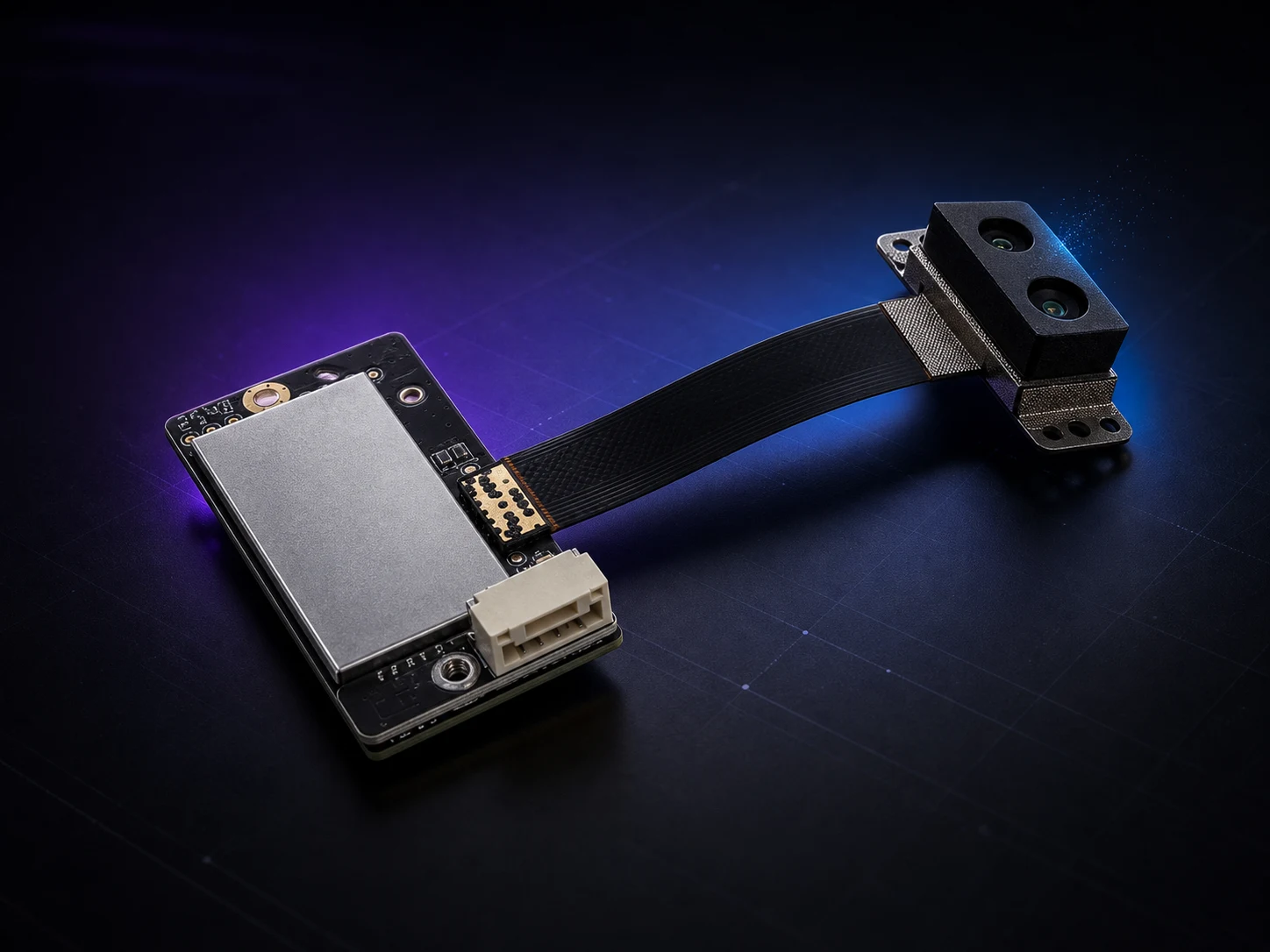
MRP-LD1 · Solid-State dToF Module
Bring compact depth perception to UAV, robotics and embedded systems with an 8 g, 1.2 W solid-state dToF LiDAR module. MRP-LD1 delivers depth images and 3D point-cloud data for host-side perception and controlled application evaluation.
For UAV, AMR, robotics and embedded-perception teams · OEM/ODM inquiries supported.
Product advantages
The module combines compact hardware, defined ranging baselines and multiple host interfaces. Use these verified facts to screen product fit before committing integration time.
Plan around an 8 g module, 5 V supply and 1.2 W typical power consumption while accounting for the complete enclosure and cable path.
Start evaluation from 0.5–25 m indoors and 0.2–8 m outdoors, with 80 Klux ambient-light resistance documented for comparison.
Receive 40 × 30 depth output at 10 fps and work with depth images or 3D point-cloud data in the host perception stack.
Evaluate UART, UVC or UDP with software support listed for Windows, ARM, Linux and Android environments.
Product Video
Review the application video, then use the approved specifications and sample data to decide whether this drone LiDAR sensor fits the intended platform and operating scene.
Approved Document Data
Use the exact document-listed values below for initial screening. Indoor and outdoor ranging are separated because usable performance still depends on target, light, mounting and system timing.

Depth and point-cloud output
MRP-LD1 supplies real-time depth images and 3D point-cloud data. Review representative output before development, then verify units, coordinates, timing and invalid-data handling with the selected interface and SDK workflow.
Request scene-matched sample data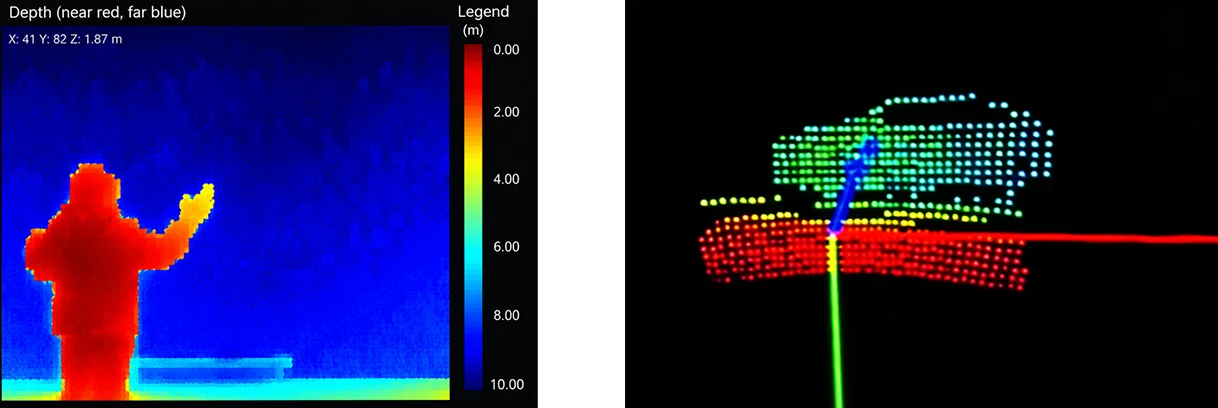
Range and ambient-light baseline
The approved baseline is 0.5–25 m indoors and 0.2–8 m outdoors, with 80 Klux ambient-light resistance. Actual usable range depends on target reflectivity, size, angle, sunlight, mounting and motion, so qualify the module in the intended scene.

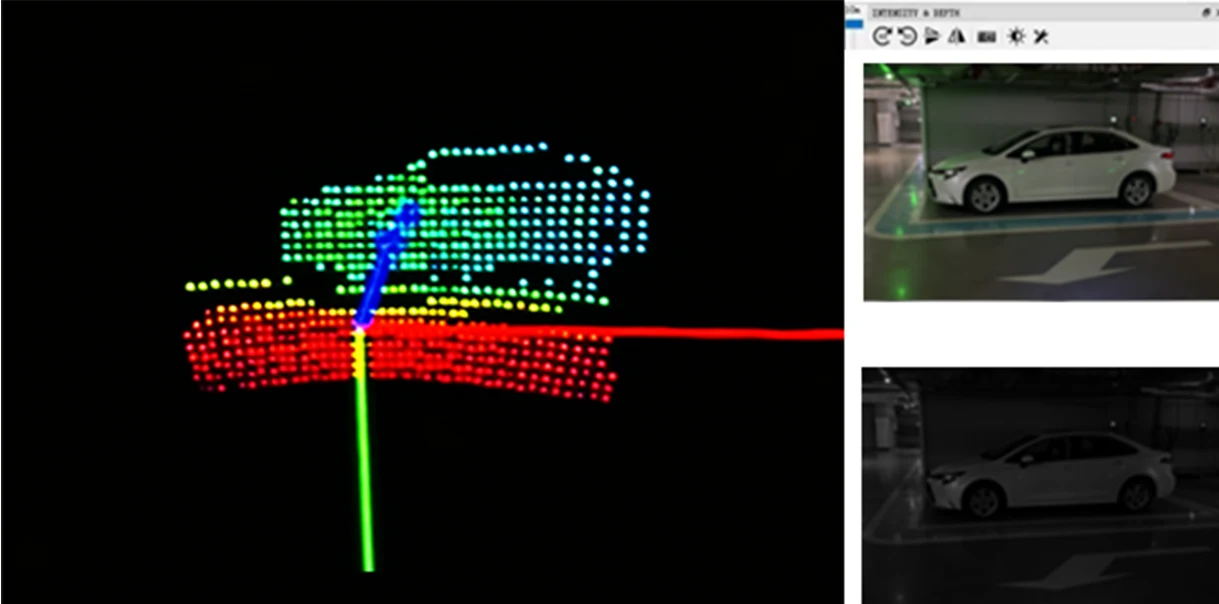
SPAD dToF Technology
MRP-LD1 combines a 940 nm VCSEL source with SPAD direct time-of-flight sensing. It is a depth-data module—not a complete avoidance system—so detection logic, planning, control response and application safety remain responsibilities of the host platform.
Approved application groups
MRP-LD1 can be evaluated as a UAV obstacle-avoidance sensor input and across robotics, AR/VR, industrial inspection and security workflows. Final suitability depends on the installed system and acceptance criteria.
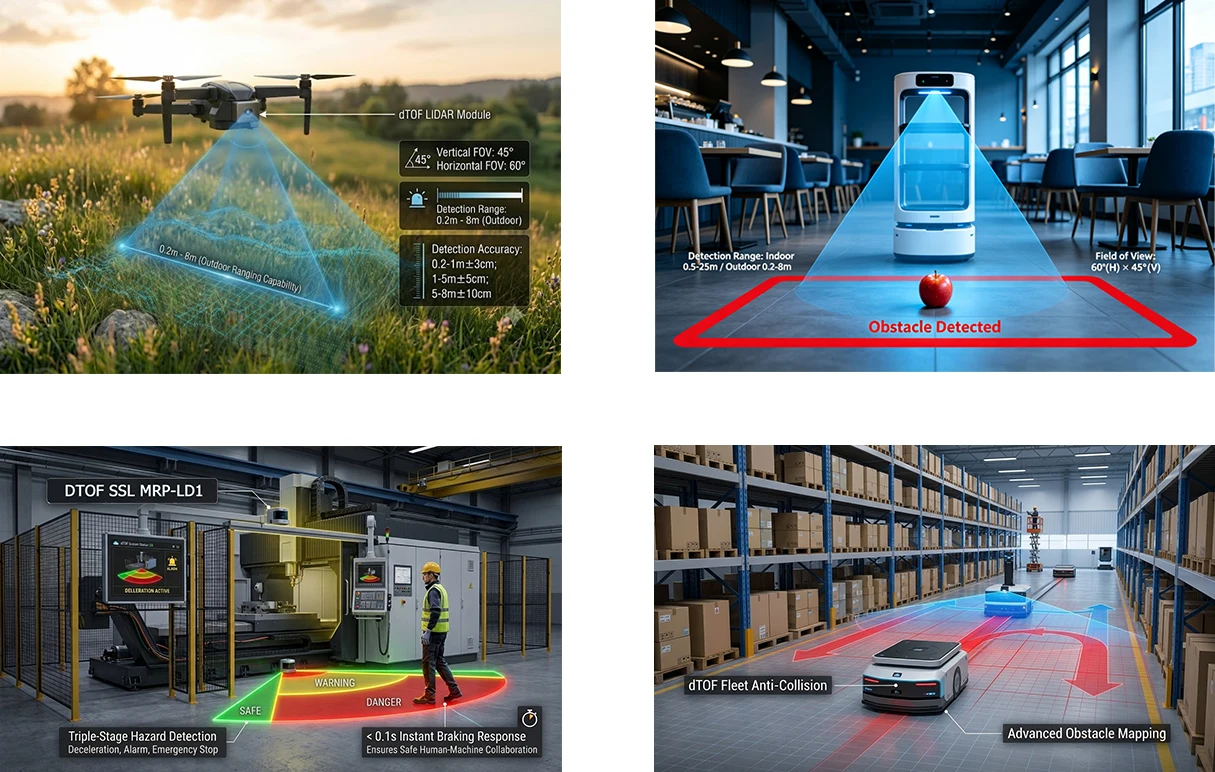
Evaluate forward obstacle awareness, altitude-hold input and terrain-following workflows with a defined 60° × 45° sensing sector.
Supply depth and point-cloud data to host-side obstacle-awareness, navigation and SLAM evaluation workflows.
Evaluate compact dToF depth input for auxiliary focusing and presence-aware embedded experiences.
Use measured depth data as an input for inspection and security applications after scene-specific validation.
Interfaces and software
Match UART, UVC or UDP to the processor, logging method and timing budget. Software support is listed for Windows, ARM, Linux and Android.
B2B evaluation path
Keep the buying process technical and measurable. Each step should answer a project question before the next commitment.
Tell us the platform, target, working distance, light level, host, interface and expected quantity.
Compare the approved specifications, manual, SDK path and representative depth or point-cloud data.
Verify power, interface, mounting, target response and end-to-end timing on the intended host system.
Align customization, sample feedback, pilot quantity, delivery timing and commercial requirements.
Evaluation confidence
Use these materials as an initial supplier-screening reference, then request the project-specific records and acceptance information required by your team.
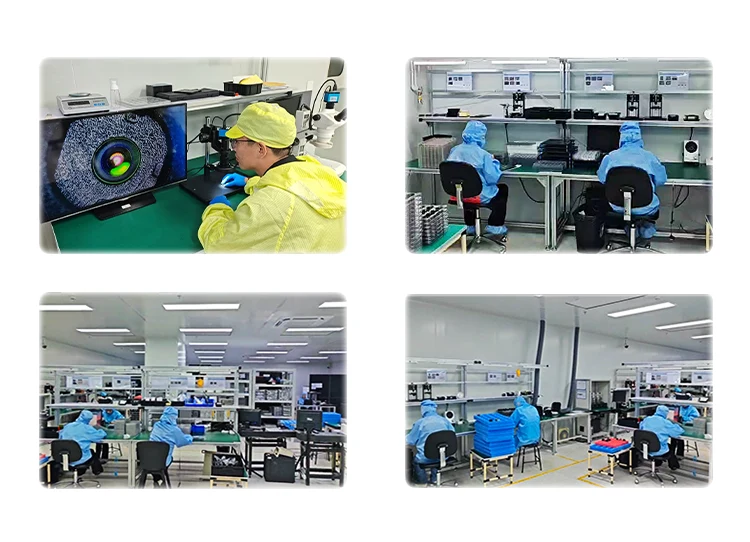
Manufacturing
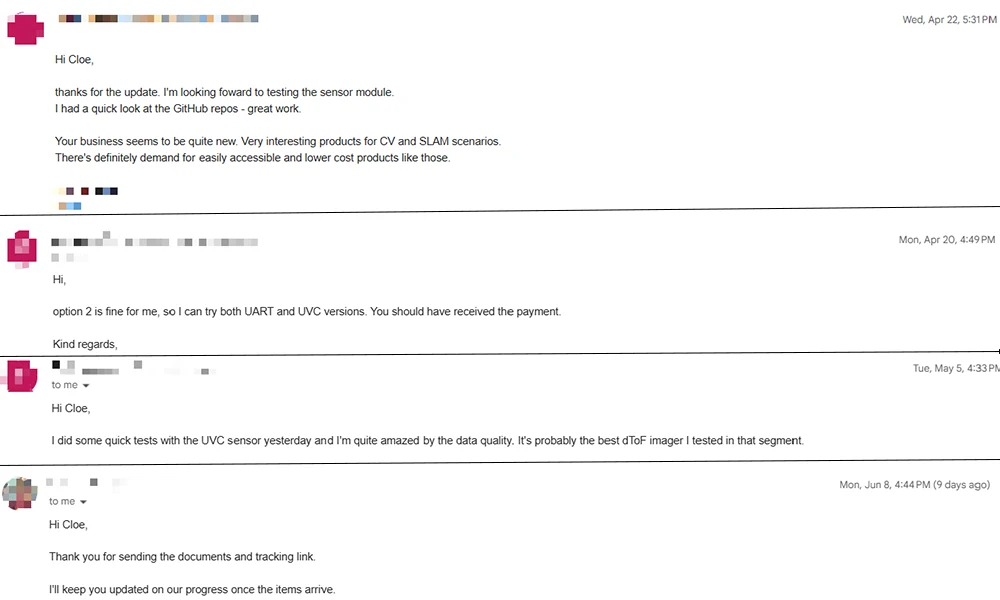
Feedback
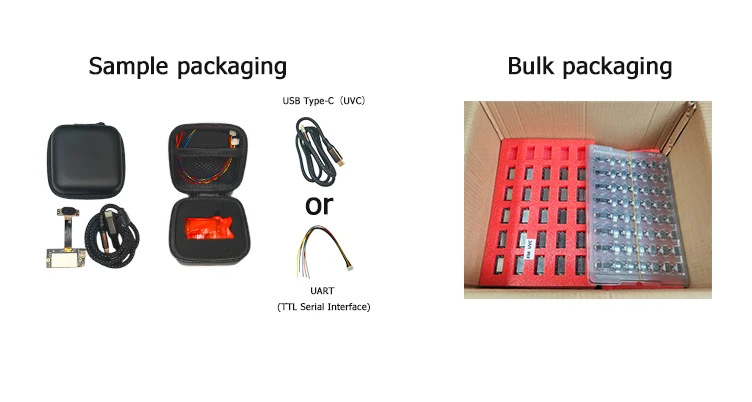
Delivery

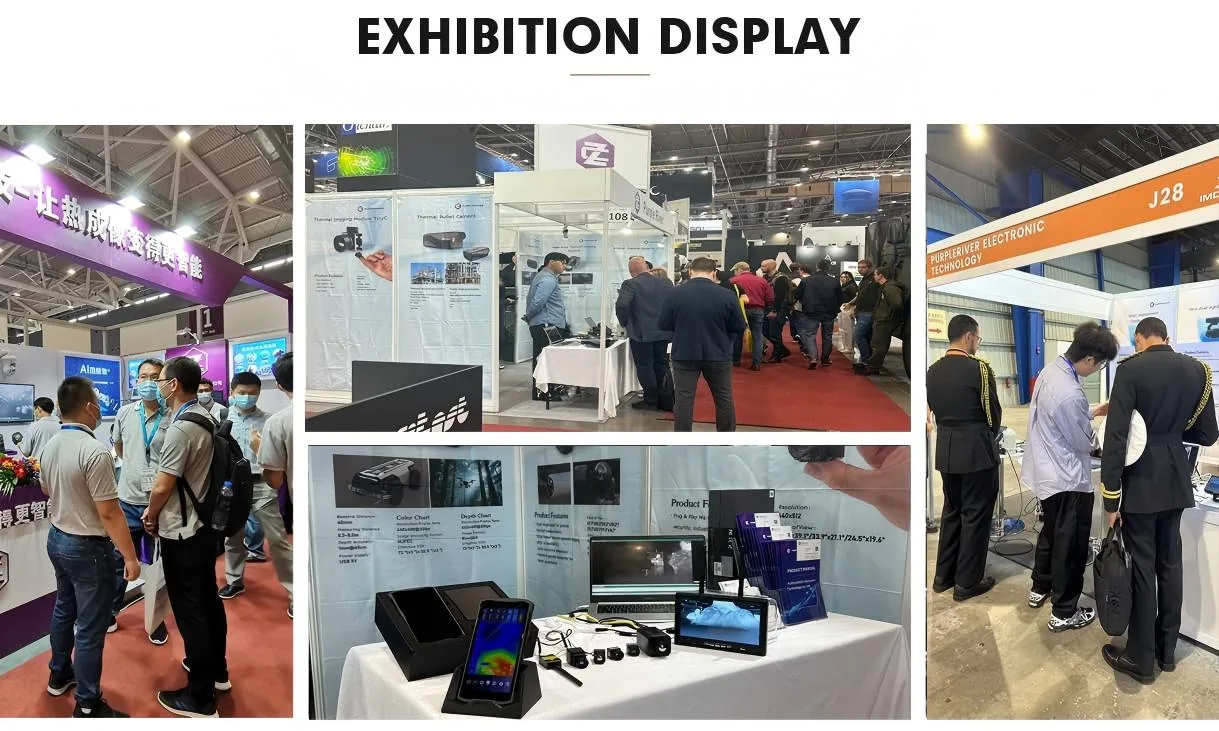
Engineering and supply support
Purpleriver develops solid-state dToF technologies for embedded sensing projects. B2B teams can request samples, product documents, SDK resources, matched data and project-specific commercial discussion.
Technical and purchasing questions
Review product boundaries, evaluation inputs, customization, payment, shipping and warranty before requesting a sample or quote.
No. MRP-LD1 supplies depth images and 3D point-cloud data. The host processor, perception logic, planning, flight controller and validated response remain part of the complete system.
The approved baselines are 0.5–25 m indoors and 0.2–8 m outdoors. Actual usable range depends on the target, ambient light, angle, mounting and motion, so the intended scene must be tested.
MRP-LD1 provides depth images and 3D point-cloud data. The documented interfaces are UART, UVC and UDP, with software support listed for Windows, ARM, Linux and Android.
Share the target platform, application, working distance, indoor or outdoor scene, host system, preferred interface, sample quantity and expected project timing.
Yes, customized service and OEM/ODM are welcomed.
T/T, (in advance), Western Union, Paypal and Cash.
You can choose By sea (boat), By air (airplane), By Express (DHL, UPS, EMS, FEDEX, SF, TNT, etc.). Given your detail address, we can offer the estimate shipping cost for your reference.
One year warranty.
Include the platform, target, distance, lighting, host interface, quantity and project timing.
Drone LiDAR Quote
Share quantity, platform and integration needs. Justin Lu can follow up with quote, sample or technical support details.
Resource unlocked
Your inquiry has been submitted. You can download the requested resource now.
Download resource